
Medical Infusions
So you read somewhere that a certain herb is great for whatever symptom ails you at the time… and off you go to grab tea
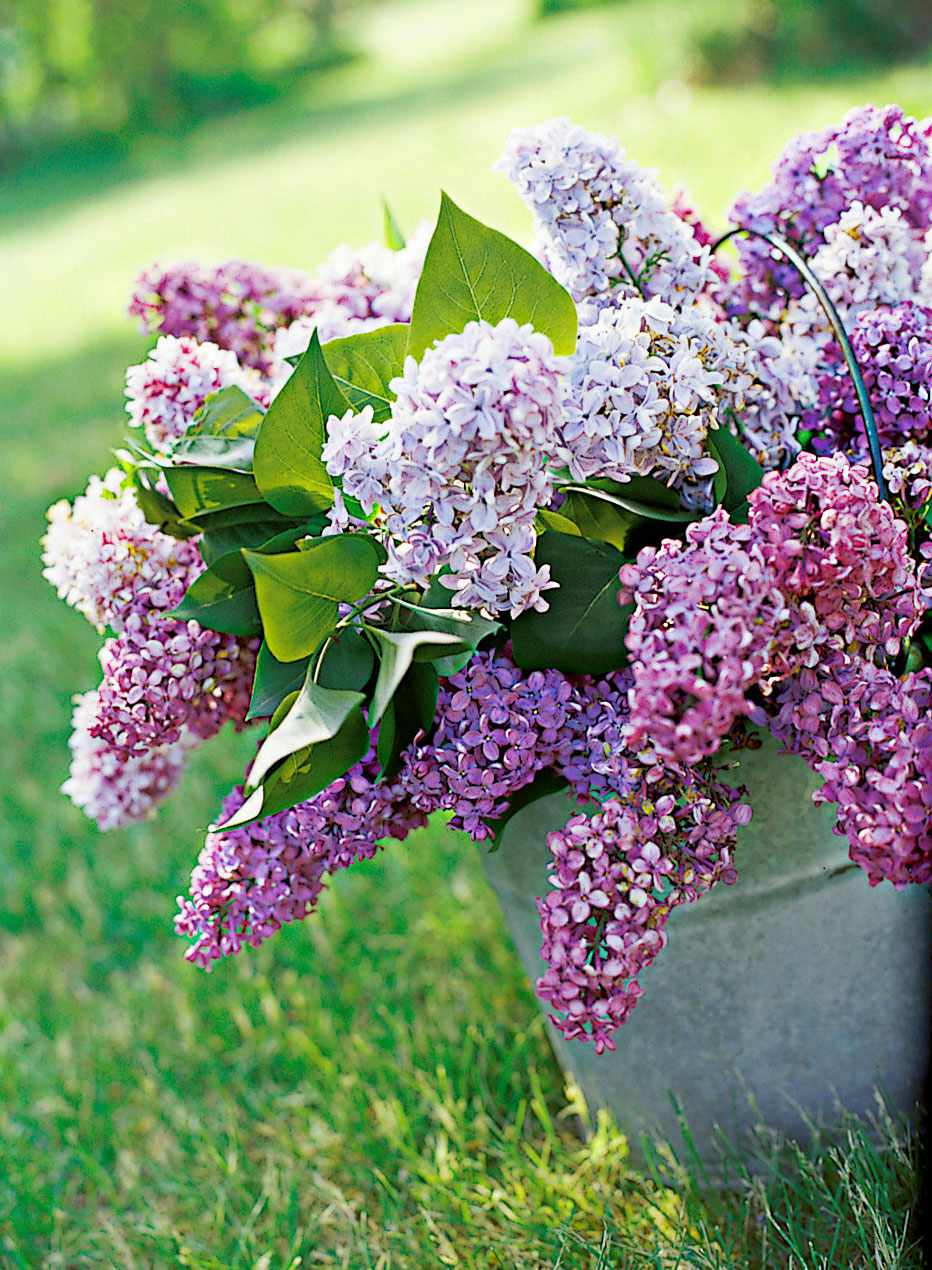
Lilac (Yuan Hua)
Did you know that Lilac or Syringa spp. (the common species is vulgaris) is in the olive family?!
As a child, this was my grandmother’s favourite thing to pick in the spring. She kept the flowers fresh longer by cutting and stripping off the bark then bashing in the bottom stalk (up to 1-2 inches) this opens up the woody structure enough for water to be more easily taken up and will help keep the flowers fresh for weeks.
It’s not well documented as far as it’s medicinal properties but we do have some great folklore.
Lilacs symbolize first love and are said to drive away ghosts. In TCM, folklore, Shamanism and Western herbalism it has been used to fight fevers (febrifuge action), treat coughs, and calm the stomach. It’s also been documented as an anti-periodic (it stops the recurrence of disease such as malaria). You can even use them for their astringency in cosmetic formulations, but that’s not my area of expertise
Often used as a syrup and also as an infusion (that’s fancy for tea!).
When we look at a plant we want to delve into to its taste profile, which indicates its energetics and effects on a tissue state. Lilac flowers have astringent, aromatic, and slight bitter qualities. Astringents tighten, draw, and dry tissues such as skin.
You could brew a cold or warm infusion to apply to rashes, cuts, and other skin ailments due to its astringency. As an “aromatic” it’s action would cause irritation to the place that it was touching (think GI tract) and irritation brings blood flow and blood flow equals healing! So perhaps consuming the flowers raw may help with gastric issues such as flatulence or constipation. You would need to create an herbal infused oil to capture the aromatics for healing purposes though.
I enjoy making lilac infused honey in the spring, using local spring crafted honey. Simply pick your lilacs put them in a jar and cover with honey. Let it sit for six weeks and voilà. You don’t even need to strain the lilacs out. It’s a nice addition to other herbal infusions.
You can also make lilac cordial http://www.urbanhuntress.com/2013/05/foraging-lilacs/
Lilac wine is a great choice too!
http://www.grapestomper.com/reclilac.html
There are even lilac sorbet and ice cream recipes!
Here’s the technical stuff:
Parts Most Frequently Used: Flower (edible), Root Bark, Leaf
Caution: Do not use with other medicines that alter blood coagulation. Lilac daphne: do not use with licorice during pregnancy. Bark can be poisonous, use with caution.
Flavours/Temps:
Flower – Bitter, Acrid, Cold, Toxic.
Root Bark – Acrid, Bitter.
Organs/Systems: Lymph, Lungs, Uterus
Key Actions:
Root Bark – Anti-periodic, Febrifuge, Tonic, Anti-inflammatory, Astringent.
Flower Bud – Anticoagulant, Antispetic, Antitussive, Antiviral, Diuretic, Purgative, Stomachic.
Medicinal Uses:
Root Bark – Fevers, boost immune system, sprains, bruises.
Flower Bud – Calming, coughs, prevent lung infections, edema, urinary retention, support digestion, treat malaria.
Meridians: Lungs, Spleen, Kidney
Key Actions TCM:
Flower Buds – Moves Blood and Qi, Resolves Phlegm, Clears Heat, Soothes the Stomach.
Root Bark – Relieves Swelling, Moves Blood, Detoxes Blood.
Medicinal Uses TCM:
Flower Buds – Constipation, headaches, cramping, edemas, colds and flu, phlegmy coughs, stubborn coughs, bronchitis, itchy skin rashes, scabies, lung infections, nausea, full feeling, poor digestion, diarrhea, expels parasites.
Root Bark – Relieves pain, acute mastitis, carbuncles, swollen boils, poison, lymph nodes, tuberculosis, ascites, rheumatism, toothaches, bruises, sprains, muscle aches, cleanse Blood.
Key Constituents:
Tannin, Paracoumaric acid, Essential oil, Cinnamic acid, Ethyl ester (Essoil). The Root Bark: Integerrenine, Discarine B, Integerrine, Asparagine, Aspartic acid, Beta sitosterol, Butelinic acid, Ceanothenic acid, Glutamine, Bitter.
Folklore: Lilacs were used in Colonial America as a vermifuge (treat intestinal worms), to reduce fevers, and to treat malaria, as I mentioned above.
To find a Lilac blossom with five instead of four corolla lobes means good luck. Some say the purple color denotes sadness and mourning.
Lilacs steeped in warm spring water for 30 minutes, strained, bottled, and refrigerated can be used on the face as a tonic and as a healing spritz. Like a healing toner.
The trees were respected by Orthodox Christians and the plant’s Greek name “pashalia” is derived from “pasha” which in Jewish means “passage” as they were considered to drive ghosts away instantly. The lilac tree is also linked with reincarnation.
Fun fact: One of the plant’s secrets is that the flowers do not fade under hot water. Lilacs are said to remove ghosts, aid the exploration of past lives, and bless the passages of life, both birth and death.
Purple lilacs are the symbol for the first emotions of love.
If the blossoms are strewn about it is said they can ward off evil.
Lilacs have a history of promoting clairvoyance, divination, peace, harmony and creativity.
Lilac tonics were probably first introduced in Henry 8th time. They are called a harbinger of spring.
White lilacs are a symbol of innocence.
Adding lilac blossoms to your bath is a wonderful, soothing aromatherapy remedy for stress and anxiety.
Lilacs have been used to treat dyptheria (both internally and as a gargle).
California lilac is said to be an excellent home remedy for menstrual cramps, nosebleeds, bleeding hemorrhoids, and old ulcers as well as capillary ruptures from coughing or vomiting (according to Michael Moore)
California lilac roots are harvested in the late fall when the color is darkest or in early spring before the plants flower. The plants are tough and wiry, the roots even more so, so harvest them while the roots are fresh as after drying, you may need a jack hammer.”
Lilacs steeped in warm spring water for 30 minutes, strained, bottled and refrigerated can be used on the face as a tonic and as a healing spritz for some facial afflictions.
Lilac daphne has been used for over 3000 years. Commonly used in TCM, lilac is considered to be one of 50 fundamental herbs. In TCM we apply it externally to treat frostbite. The buds are harvested and dried in spring and used after they have been stored for several years. The root is considered an abortifacient, anticoagulant, purgative and visicant. A typical dose would be 1.5 – 3g vinegar of powdered Genkwa Flowers swallowed 0.6 to 0.9g per day.
Syringa is derived from Ancient Greek word ‘syrinx’ meaning “pipe” or “tube” and refers to the hollow branches of S. vulgaris. The hard and resilient branches of lilacs have been commonly used for wood carvings and musical instruments over the years.
Astrologically, Lilac flowers have been associated with Venus and the sign of Taurus, the earthly home of Venus. Taurus energy is also solitary and connected to the earth and her cycles, much like Syrinx, the Greek mythology nymph lilac derives her name from.
Lilac’s association with Saturn also makes sense, as Saturn herbs are generally astringent (meaning they constrict and dry tissues), given the nature of Saturn’s energy, which constricts and contains matter.
well, this barely scratches the surface as far as mythology and astrology go, you can definitely see that there is more to the lilac tree than just it’s fragrance and beauty.
So you read somewhere that a certain herb is great for whatever symptom ails you at the time… and off you go to grab tea
